How Businesses Reduce Health Risks with Proper Cleaning Protocols
Running a business today means paying closer attention to cleanliness than ever before. Whether it’s an office, retail space, healthcare facility, or shared environment, maintaining a healthy space is directly tied to productivity, reputation, and long-term operational stability.
What used to be considered routine cleaning has evolved into a critical part of business operations. Companies that take a proactive approach to cleanliness are not only protecting people, they are protecting their bottom line.
Cleaning Is No Longer Just About Appearance
Many business owners still associate cleaning with visual presentation. Clean floors, tidy workspaces, and organized environments certainly matter, but appearance alone doesn’t address the real risks.
Modern cleaning protocols are focused on reducing contaminants, limiting the spread of illness, and maintaining safe indoor environments. This includes managing bacteria, viruses, allergens, and other invisible threats that impact both employees and customers.
A facility can look clean and still present health risks. That gap between appearance and actual cleanliness is where many businesses fall behind.
Where Most Workplaces Fall Short
High-traffic environments naturally accumulate contaminants throughout the day. Workstations, shared equipment, door handles, and common areas all act as transfer points for bacteria and viruses.
In many cases, cleaning routines are inconsistent or overly basic. Surfaces may be wiped down, but not properly disinfected. High-touch areas may be missed entirely. Cleaning schedules may not align with how the space is actually used.
This becomes more problematic in environments where multiple people interact with the same surfaces repeatedly, such as:
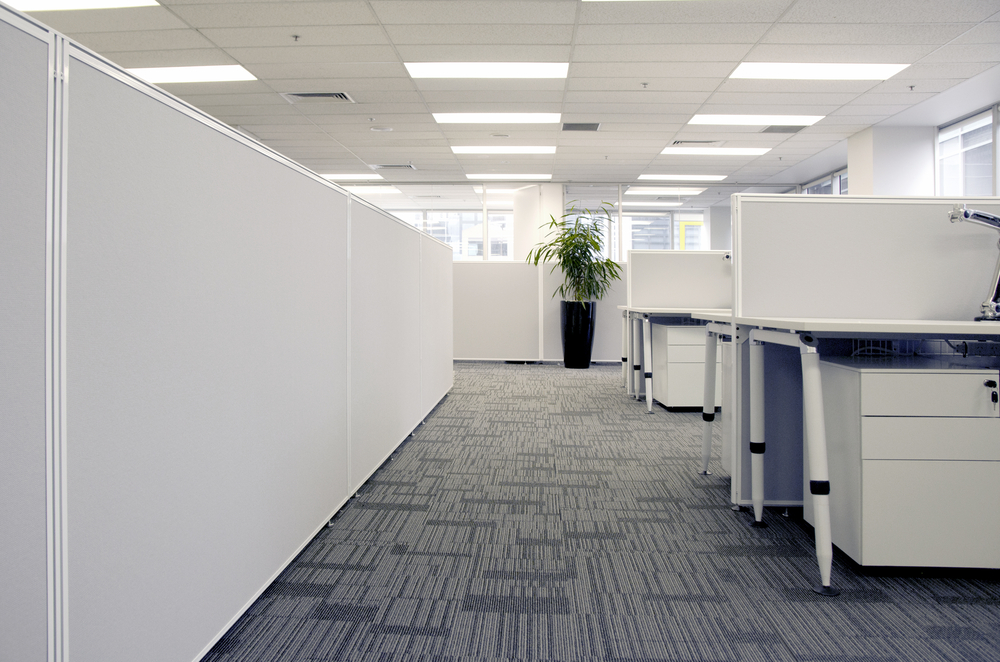
- Offices with shared desks
- Fitness facilities with communal equipment
- Retail spaces with heavy foot traffic
- Medical and dental environments
- Multi-tenant commercial buildings
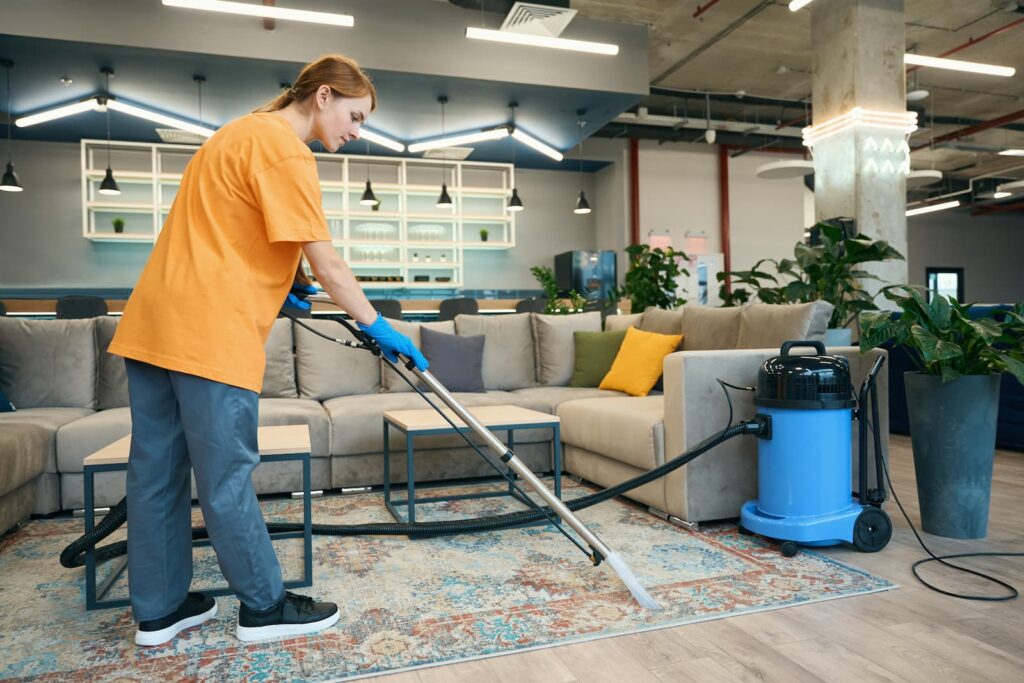
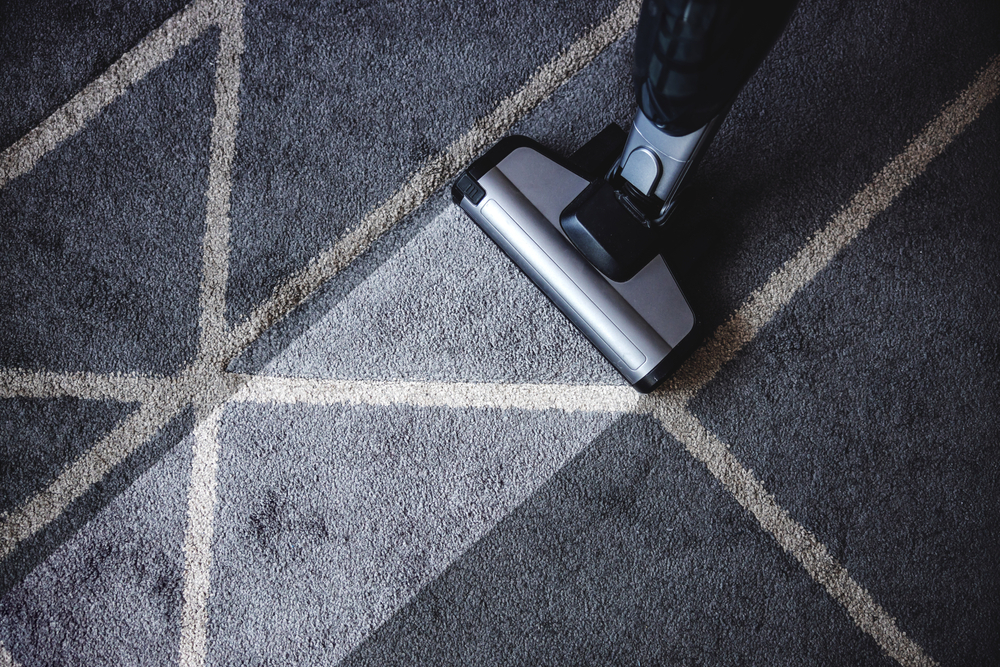
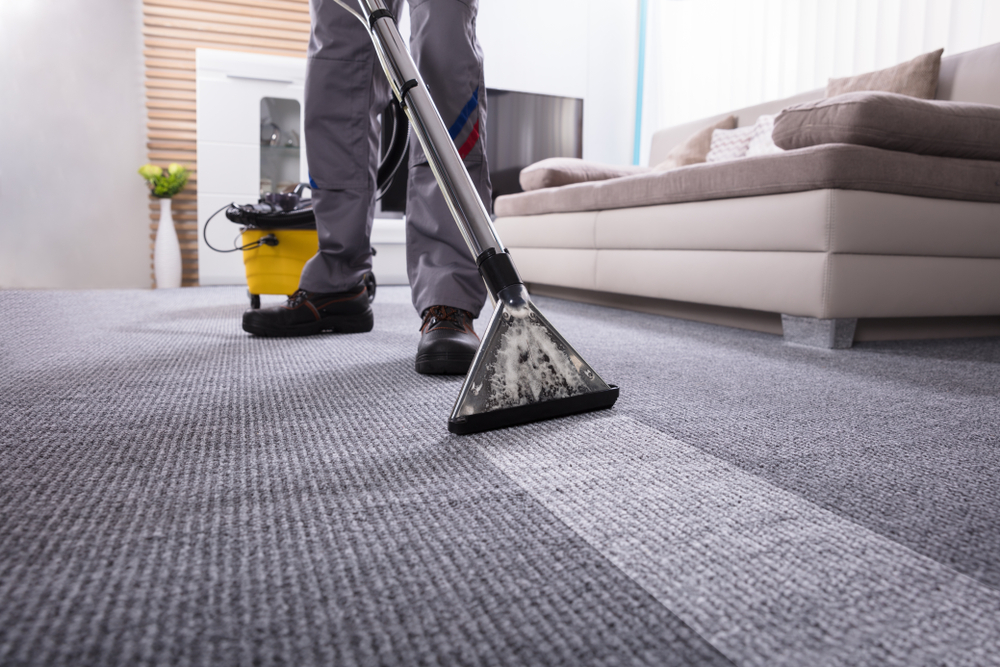
Without structured protocols, these environments allow contaminants to circulate freely. Even something as simple as proper vacuuming techniques can significantly reduce the buildup of dust, allergens, and contaminants in commercial spaces, especially in high-traffic areas.
The Shift Toward Structured Cleaning Systems
Businesses are now moving away from reactive cleaning and toward structured, preventative systems. These systems focus on consistency, targeting high-risk areas, and using the right methods for different surfaces and environments.
Instead of occasional deep cleaning, facilities are implementing:
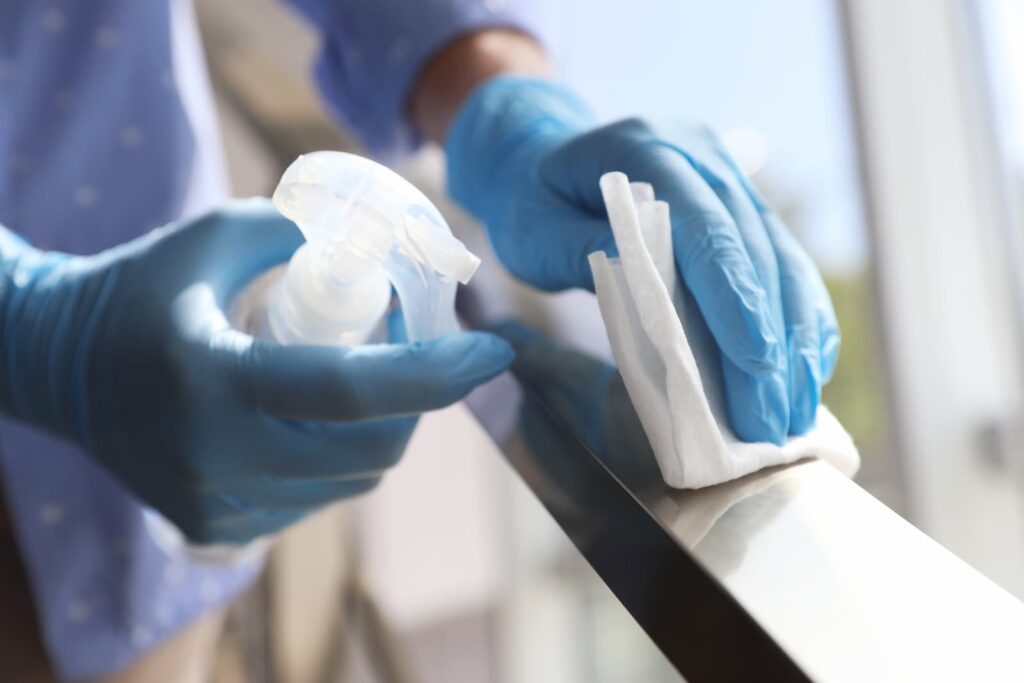
- Routine disinfection of high-touch surfaces
- Scheduled sanitization cycles
- Use of appropriate disinfectants and materials
- Defined cleaning checklists based on traffic and usage
This shift reduces the likelihood of contamination buildup and creates a more stable, controlled environment.
For example, businesses operating in high-humidity regions often require even more advanced cleaning approaches due to increased microbial growth. These environments demand consistent sanitization and targeted disinfection strategies.
A detailed breakdown of how these approaches are applied in real-world business environments can be found in this guide on sustainable commercial cleaning practices.
High-Touch Areas That Require Priority Attention
Not all areas of a facility carry the same level of risk. High-touch surfaces are the primary points of transmission and should always be prioritized.
These include:
- Door handles and push plates
- Light switches
- Shared desks and workstations
- Elevator buttons
- Handrails
- Fitness equipment
- Keyboards and touchscreens
Focusing cleaning efforts on these areas delivers the highest impact in reducing contamination.
The Role of Consistency in Reducing Risk
One of the biggest mistakes businesses make is relying on inconsistent cleaning routines. Cleaning performed sporadically or without a defined system leads to uneven results.
Consistency is what drives effectiveness.
When cleaning protocols are standardized and repeated on a predictable schedule, contamination levels are controlled more effectively. This reduces variability and ensures that critical areas are not overlooked.
It also creates accountability. Staff and service providers know what needs to be done and when, which improves overall performance.
Operational Benefits Beyond Health
While the primary goal is reducing health risks, the benefits extend much further.
Cleaner environments contribute to:
- Fewer employee sick days
- Improved productivity
- Better workplace morale
- Increased customer confidence
- Stronger brand perception
People notice when a space feels clean, even if they can’t immediately identify the reason. That perception directly impacts how they view the business.
Long-Term Cost Reduction Through Proper Cleaning
There is also a financial component that many businesses overlook.
Proper cleaning helps extend the lifespan of:
- Flooring materials
- Furniture and fixtures
- Equipment and shared assets
Dirt, moisture, and contaminants accelerate wear and deterioration. Regular maintenance prevents premature damage and reduces the need for costly replacements.
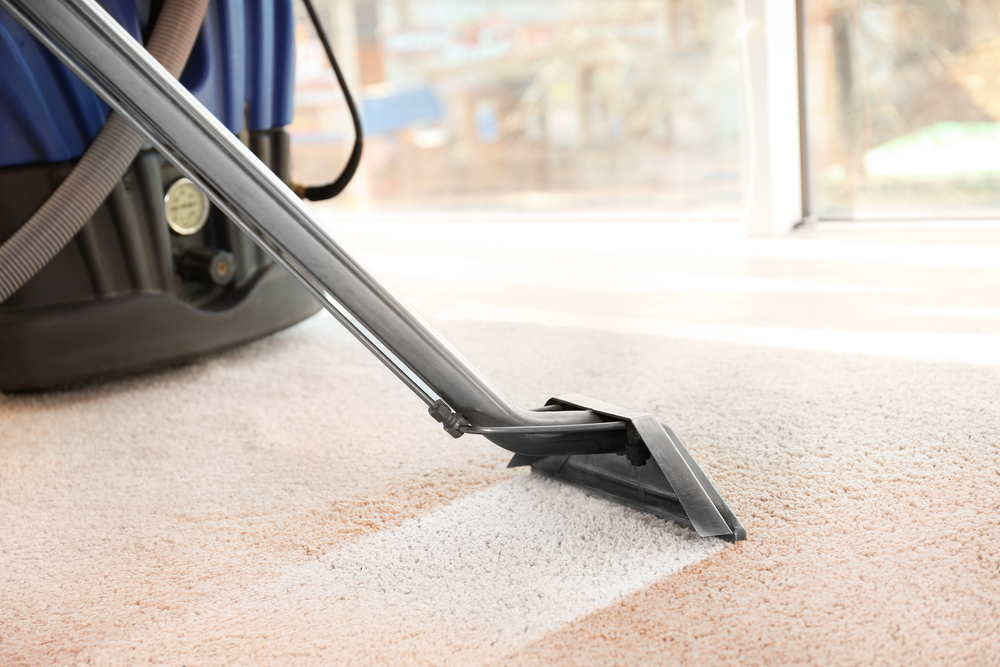
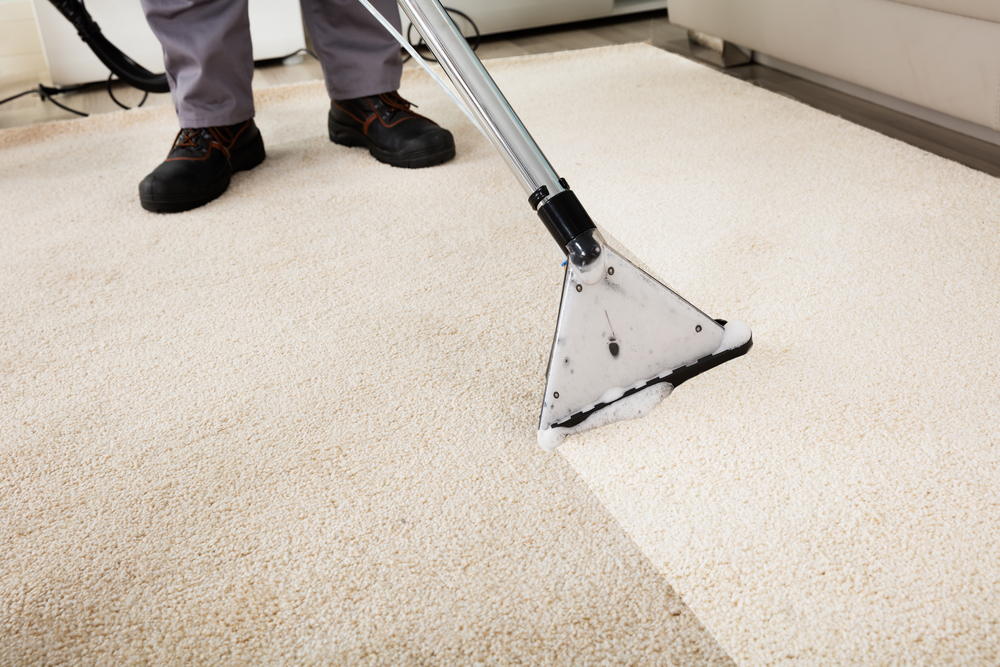
Over time, this results in significant savings. Addressing spills and stains correctly also plays a role in extending the life of flooring materials and maintaining a professional appearance over time.
Industry-Specific Cleaning Considerations
Different industries require different approaches to cleaning.
For example:
Healthcare Facilities
Require strict disinfection protocols to prevent cross-contamination between patients.
Restaurants and Food Service
Focus heavily on sanitation to meet regulatory standards and prevent foodborne illness.
Fitness Centers
Need frequent cleaning of shared equipment due to high contact and moisture levels.
Office Spaces
Benefit from routine sanitization of shared work areas and meeting rooms.
Industrial and Warehouse Environments
Require cleaning of high-touch surfaces and shared facilities to maintain workforce health.
A one-size-fits-all approach does not work. Cleaning protocols must be tailored to the specific environment.
Why Cleaning Should Be Part of Business Strategy
Cleaning is often treated as a background task, but it should be viewed as part of overall business strategy.
A well-maintained facility supports:
- Employee retention
- Customer satisfaction
- Operational efficiency
- Risk management
Businesses that invest in structured cleaning systems position themselves more competitively. They create environments that support both people and performance.
Final Perspective
The expectations around cleanliness have changed. Businesses are no longer judged solely on what customers can see, but also on how well they maintain safe and healthy environments behind the scenes.
By moving beyond basic cleaning and implementing structured protocols, companies can reduce risk, improve efficiency, and create better experiences for both employees and customers.
Small improvements in cleaning processes often lead to measurable gains across the entire operation.